
 Hitarth Chudgar
Masonry Design System
Developed a robust design system to eliminate UI inconsistency, enhance team alignment, and significantly elevate product quality. Reduced design-engineering friction (60% fewer overrides), accelerated feature delivery, ensured brand consistency, and improved cross-team collaboration.
Context Setting
| Aspect | Details |
|---|---|
| Project Duration | August 2024 — May 2025 (10 months) |
| Team | Sole Designer & Engineer, Product Managers, Engineering Teams, Brand Team |
| Role | Product Designer and Engineer |
Our primary users were cross-functional product teams — designers, engineers, product managers, and stakeholders who needed a reliable, scalable foundation for building consistent, high-quality user experiences. Their work spanned multiple products, platforms, and user touchpoints.
Designers
Creating consistent, accessible interfaces that scale across products
Engineers
Building reliable, maintainable components that reduce development friction
Product Teams
Shipping features faster with confidence in design quality and consistency
Broken Foundations
At Condo Control, the expectations for product quality are uniquely high—and understandably so. The platform serves condo residents, board members, property managers, and security staff across hundreds of communities. These users depend on the platform daily, whether it's accessing building notices, booking amenities, managing payments, or coordinating maintenance.
When I joined, the product was in a precarious state. UI fragmentation had reached critical levels, with multiple conflicting styles and duplicated components scattered throughout the codebase. The reliance on outdated technologies like ASP.NET combined with layers of Bootstrap components with conflicting versioning, resulted in fragile, unresponsive layouts. Mobile experiences regularly broke or were flat out unusable, frustrating users, and piling on support teams with avoidable complaints.
And candidly, I felt the same frustration. As both a designer and engineer, I could see how disconnected foundations eroded confidence—not just for users, but across every internal team.
This UI sprawl had tangible impacts across our organization:
- Engineering: Spent disproportionate time patching UI inconsistencies instead of building valuable features
- Design: Struggled with a lack of clear standards and endless design debates
- Sales: Faced constant embarrassment as demos regularly failed during critical client presentations
- Marketing: Forced to stage idealized, fake screenshots to mask inconsistencies
- Customers: Frequently reported confusion and frustration with the disjointed experience
The final straw was the company-wide rebrand, which heightened expectations without addressing the foundational UI chaos.
I knew patching symptoms wouldn't solve this. We had to rebuild from the ground up—but first, I needed teams aligned around the real pain points.
Immersive Discovery
Before touching Figma or code, I prioritized understanding the pain points deeply and from multiple perspectives. I conducted comprehensive stakeholder interviews and audits to uncover the real gaps:
Design-Engineering Friction
What specific pain points occur during handoffs and implementation?
Brand Consistency Gaps
Where does the new brand identity break down in practice?
Mobile Experience Failures
What specific mobile scenarios cause the most user frustration?
Development Velocity
How much time is spent on UI fixes versus feature development?
Team Collaboration
What communication breakdowns occur between design and engineering?
What We Heard
- Sales: "We can't confidently show clients the live product without embarrassing failures."
- Marketing: "Our brand refresh needs to actually reflect in the product, not just our materials."
- Engineers: "There's no common source of truth—we're wasting valuable cycles reinventing the same components."
- PMs: "Speed is vital, but not at the cost of constantly fixing UI issues that should be solved once."
- Leadership: "The product experience must reflect the new brand clearly and reliably across all touchpoints."
Confidence eroded fast when systems couldn't keep up. Teams defaulted to duct-taping workflows together, or shipping inconsistent experiences that damaged user trust.
Product Audit
To systematically identify every UI inconsistency and technical debt, I conducted a thorough audit across all product touchpoints. This audit revealed the true scope of our challenges and provided the foundation for Masonry's strategic priorities:
Key Audit Findings:
Component Fragmentation
47 different button variations, 23 form field implementations, and 15 navigation patterns across the platform.
Responsive Breakpoints
Inconsistent breakpoint usage causing 78% of mobile layout failures and user complaints.
Color System Chaos
Over 200 different color values with no systematic approach to accessibility or brand alignment.
Typography Inconsistencies
12 different font sizes, 8 font weights, and no clear hierarchy system across interfaces.
Spacing Anarchy
Random spacing values (7px, 13px, 19px) instead of systematic spacing scale.
Accessibility Gaps
67% of interactive elements failed basic accessibility standards and WCAG compliance.
This research crystallized my focus: we needed a shared, scalable design foundation that would restore trust, speed, and reliability across all teams.
With that clarity, I started building and testing where it mattered most.
Building Masonry
Inspired by the simple strength of actual masonry, I envisioned a design system that would quietly hold the product together, providing stability without imposing rigidity.
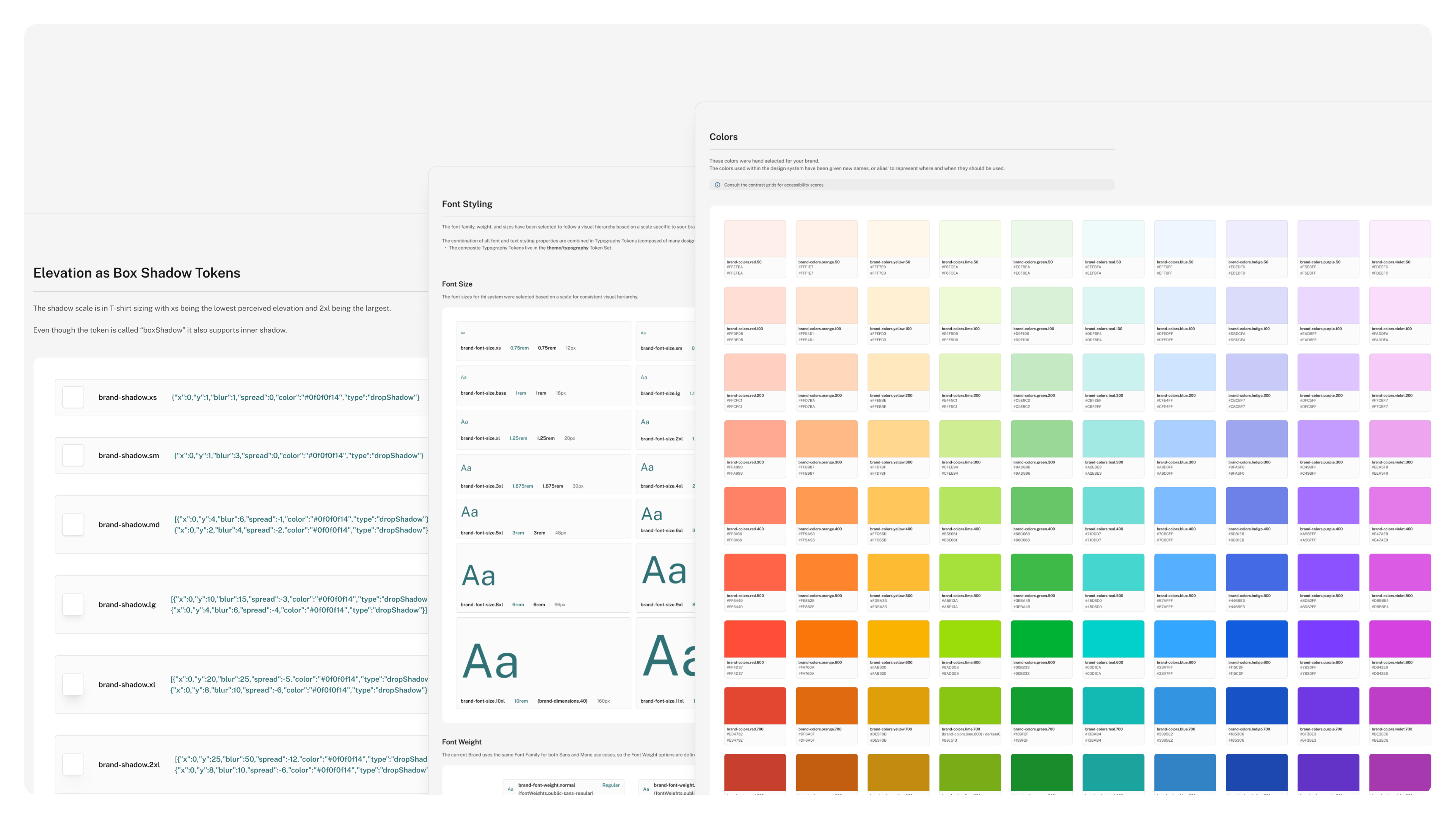
Visual Design Foundations
Simplified Color System
Accessible color palette ensuring visual clarity and brand alignment across all interfaces.
Defined Spacing Guidelines
Consistent spacing informed by actual screen interactions and user needs.
Scalable Typography
Typography system designed to enhance readability and maintain brand consistency.
Purposeful Animations
Subtle animations crafted to guide users without distraction or performance impact.
Technical Implementation
Tailwind CSS Migration
Transitioned from Bootstrap to Tailwind for greater flexibility and control.
React Component Variation Architecture
Engineered flexible, composable components using React's CVA for maximum reusability.
Design Token Synchronization
Seamless sync between Figma and development environment for consistency.
Radix Primitives
Leveraged Radix primitives with Shad CN to hardwire accessibility out of the box.
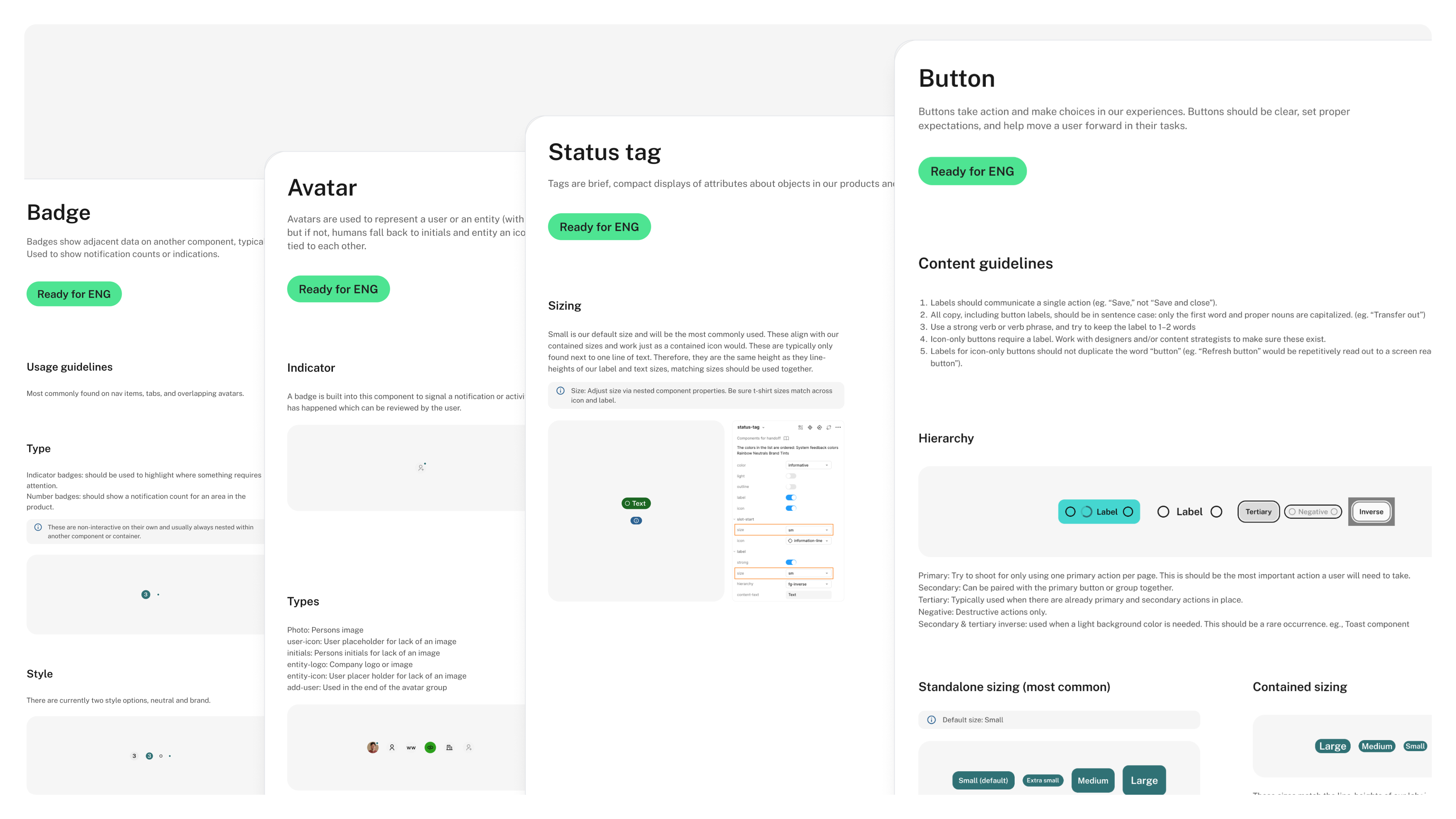
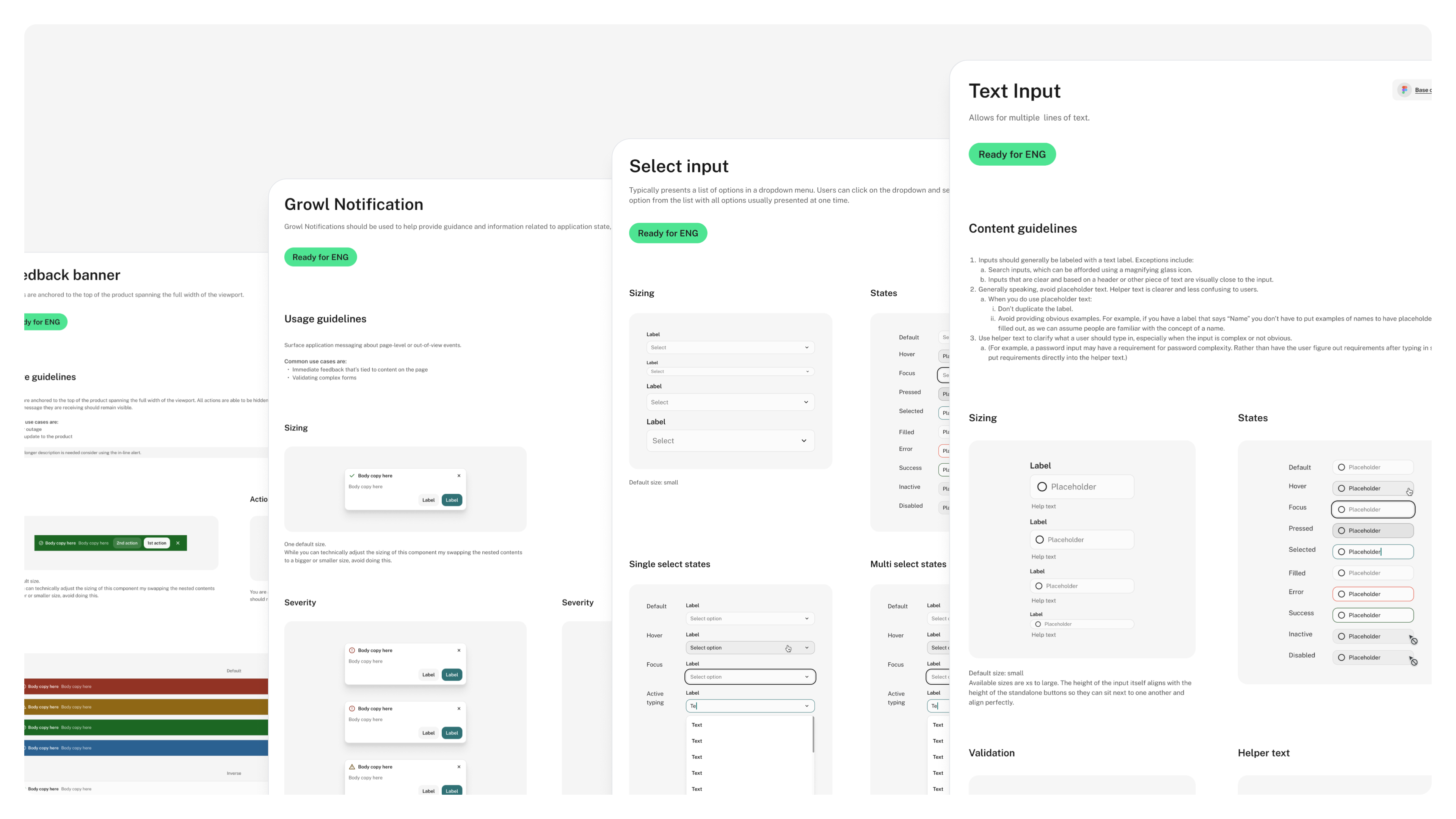
Storybook Integration
Established Storybook as the definitive, live, visual source of truth for components.
Responsive Design Patterns
Stress-tested responsive patterns that work reliably across various devices.
Of course, even the best system only works if teams adopt it so we made it our goal to embed Masonry where it mattered most.
Adoption & Rollout
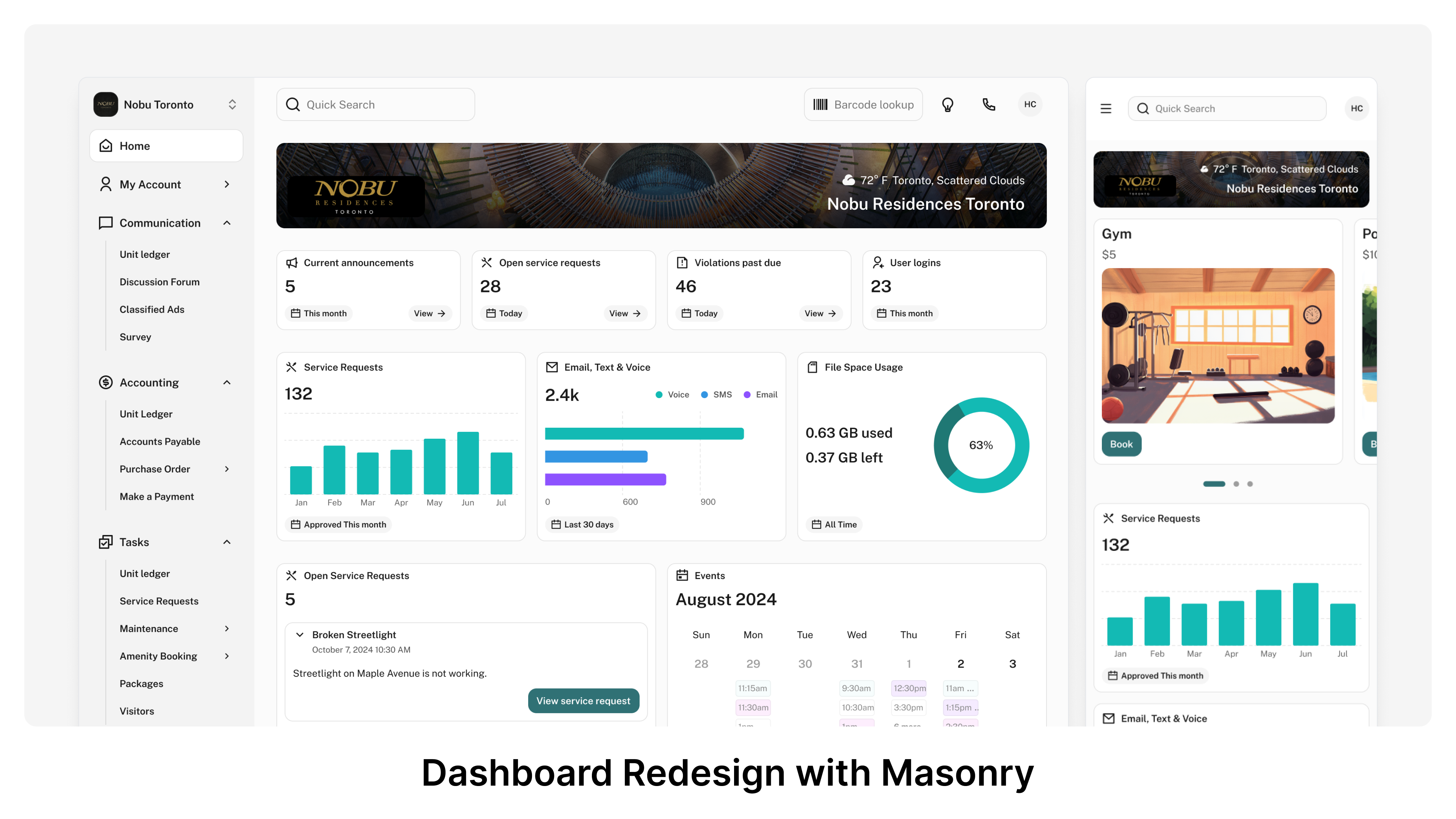
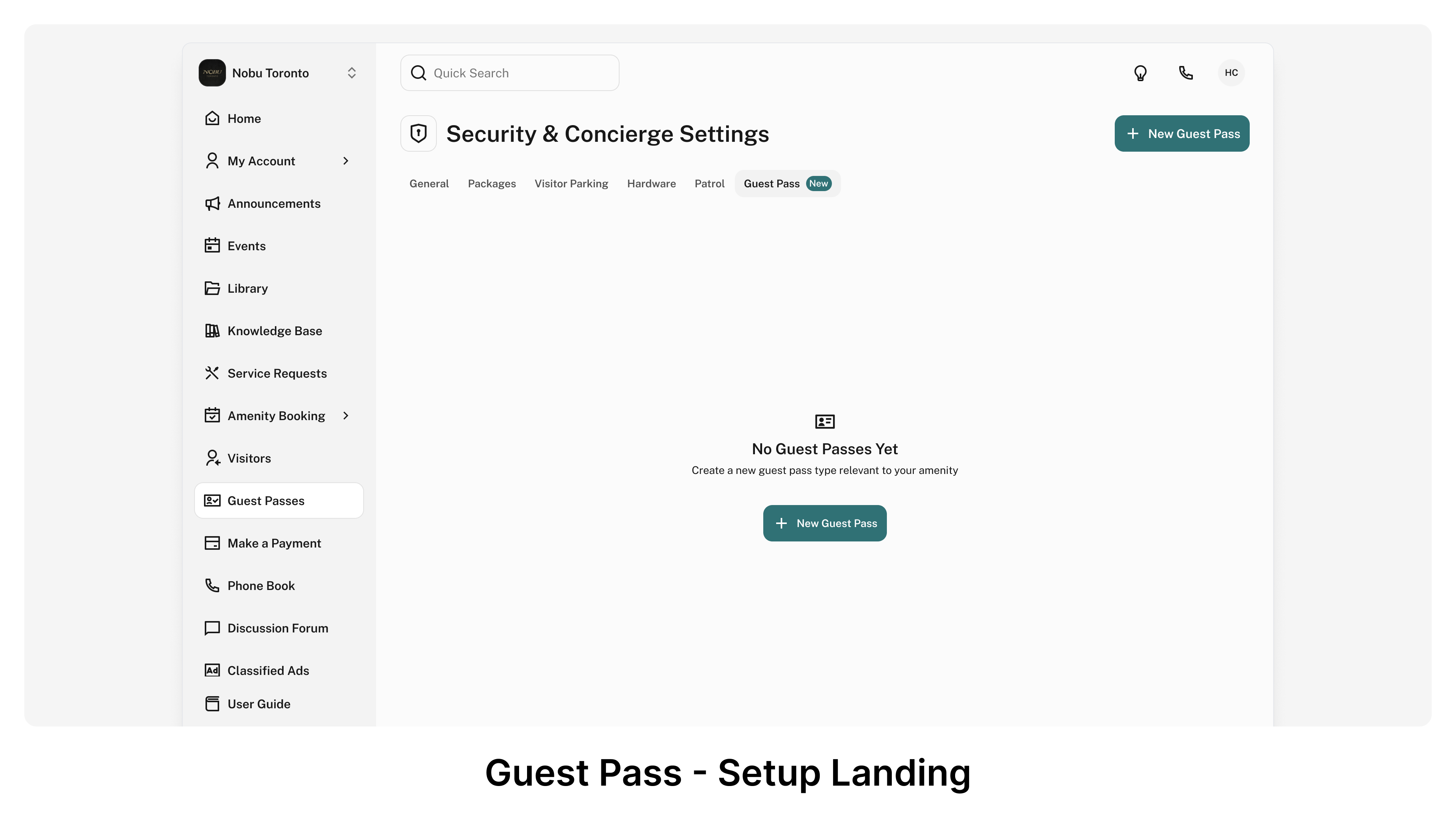
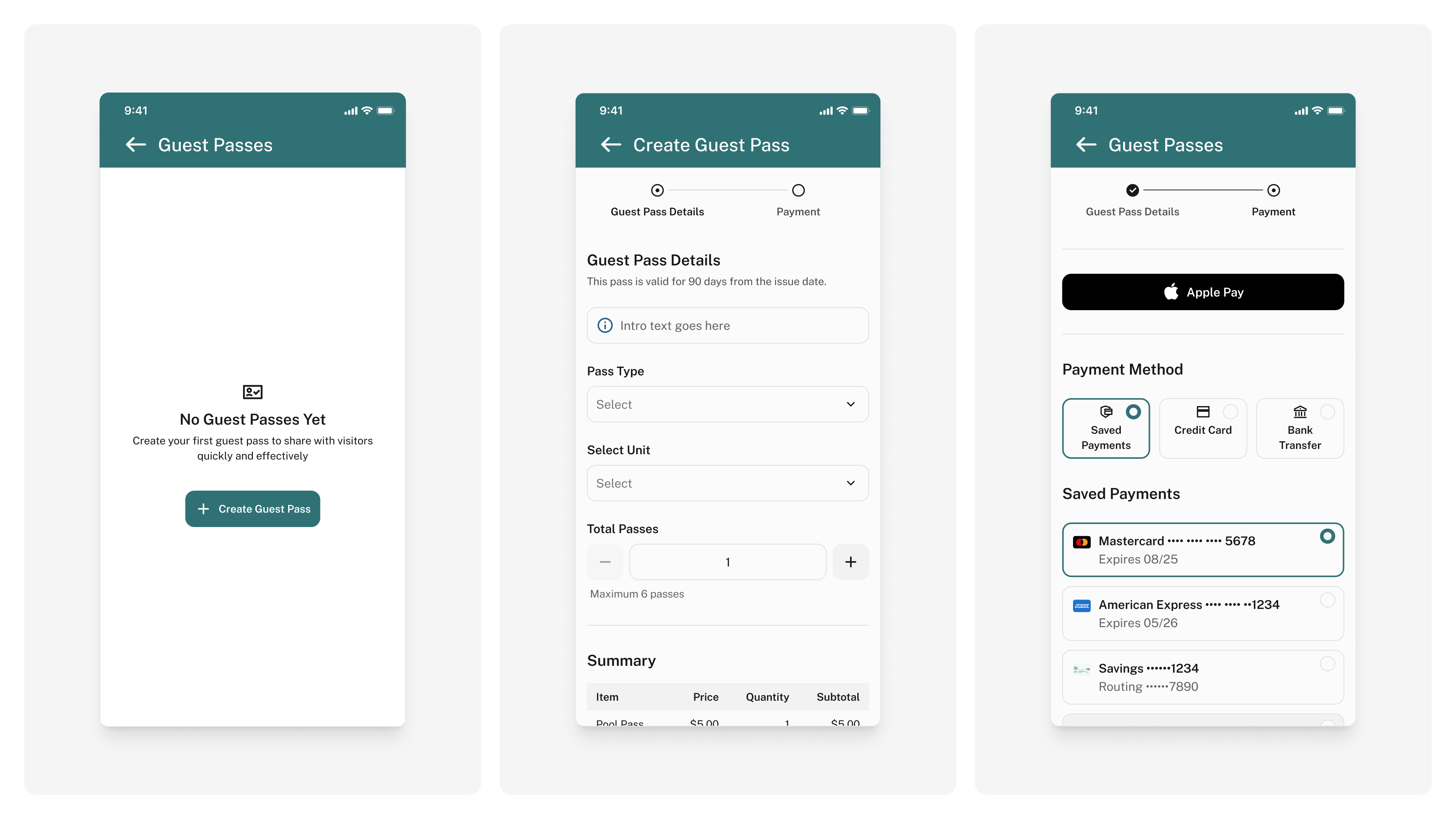
Masonry's adoption hinged on demonstrating tangible value in high-visibility, high-impact product areas first:
Dashboard Improvements
Enhanced dashboards that internal and external users rely on daily.
Administrative Interfaces
Strengthened admin tools to reduce complexity and cognitive load.
Mobile Experience
Ensured mobile screens consistently maintained quality and usability.
By partnering closely with engineers, product managers, QA, and branding teams, I addressed real-world challenges directly within their workflows. Regularly showcasing dramatic "before and after" improvements proved critical in earning trust and buy-in across the organization.
The key was demonstrating value where teams felt the most pain, then expanding systematically to build momentum and trust.
Measurable Outcomes
The effectiveness of Masonry became clear through measurable outcomes that directly addressed our original challenges:
60% Fewer UI Overrides
Engineers freed to focus on valuable feature development instead of UI fixes.
Increase in Component Reuse
Drastically reduced redundant efforts and improved consistency.
50% Faster Design-to-Engineering Handoffs
Accelerated feature delivery through clear, reliable specifications.
Consistent Responsive Layouts
Reliable support for every device type, eliminating mobile failures.
Trustworthy Product Demos
Seamless alignment between reality and presentations, enhancing confidence.
What We Learned
Simplicity Wins
Overloaded systems create more problems than they solve. Simple, reliable foundations stick.
Adoption Requires Proof
Teams need to see tangible benefits before committing to new workflows and processes.
Documentation is Critical
Clear, accessible documentation reduces friction and accelerates adoption.
Iteration Never Stops
Design systems must evolve with products and teams to remain relevant.
We initially underestimated the importance of clear documentation and training. Next time, we'd invest more upfront in team enablement and ongoing support.
Where We're Headed
The first version of Masonry closed obvious gaps and established a solid foundation. But plenty of work is still ahead — the harder stuff, the pieces that take longer to get right:
- Advanced Component Patterns: Building more sophisticated components for complex user interactions.
- Performance Optimization: Ensuring the system scales without impacting application performance.
- Accessibility Enhancements: Deepening accessibility compliance across all components.
- Analytics Integration: Systematically analyzing component usage to identify optimization opportunities.
We're keeping the scope focused and practical. Just what helps teams build better products faster, with confidence in design quality and consistency.
Reflections
The true measure of Masonry's success lies not in its visibility but in how effortlessly it fades into the background, allowing teams to concentrate on meaningful, innovative work rather than persistent firefighting.
Teams now:
- Prototype and design confidently, knowing production code aligns precisely with their vision.
- Ship faster, with reduced stress and improved efficiency.
- Collaborate seamlessly, with clearly defined, practical standards.
Ultimately, Masonry demonstrates that a great design system empowers people, aligns teams, and profoundly transforms both product quality and organizational culture.